
Setting up your 1st grade poetry center can come with challenges. From students losing focus to activities taking longer than expected, small issues can make it harder to manage than it needs to be. This post shares simple solutions to common poetry center problems you might face.
Problem 1: Students Memorizing The Poem
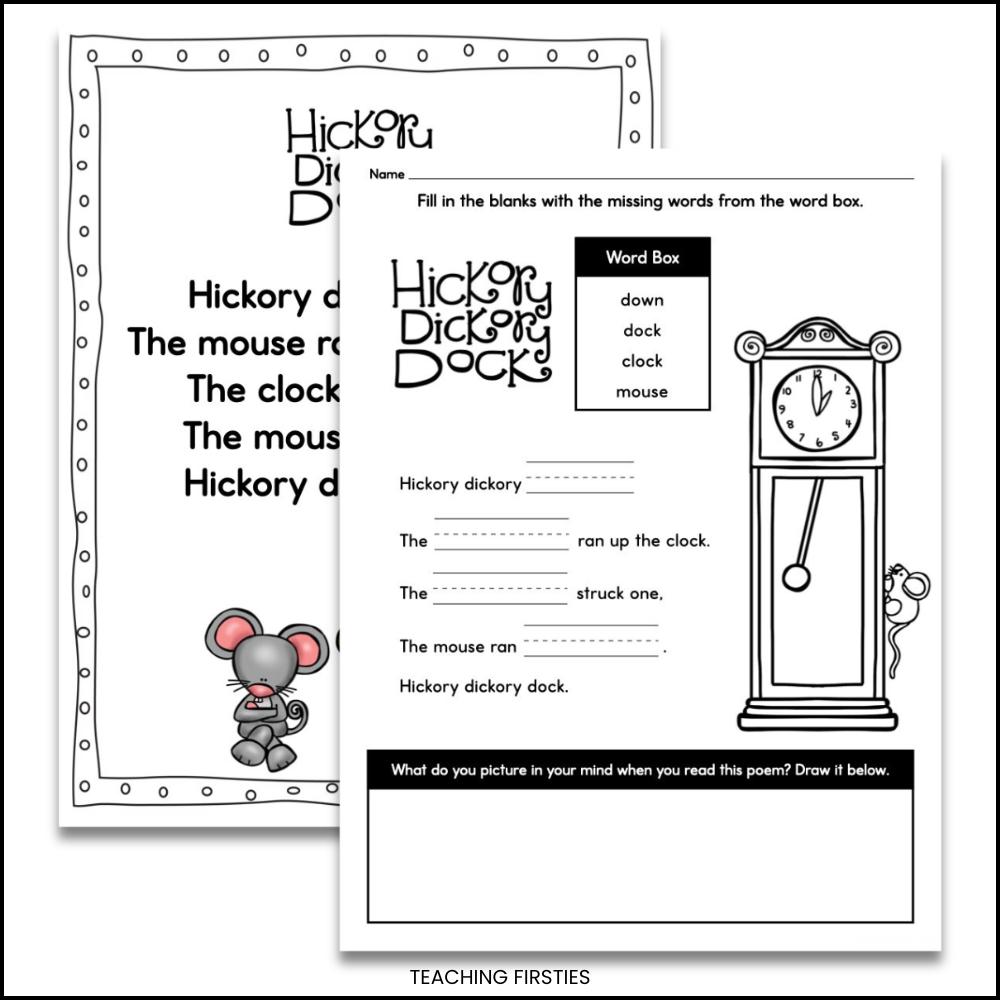
Often, your beginning readers recite poems by memory instead of carefully reading them.
Solution Rotate poems weekly and include fill-in-the-blank versions or word matching activities so your students pay attention to the text instead of their memory.
Repeated reading builds fluency best when used with decoding activities. Using a mix of familiar and new poems gives your 1st grade poetry center enough variety so students don’t rely on memorization.
Problem 2: Students Can’t Read The Poems Independently Yet
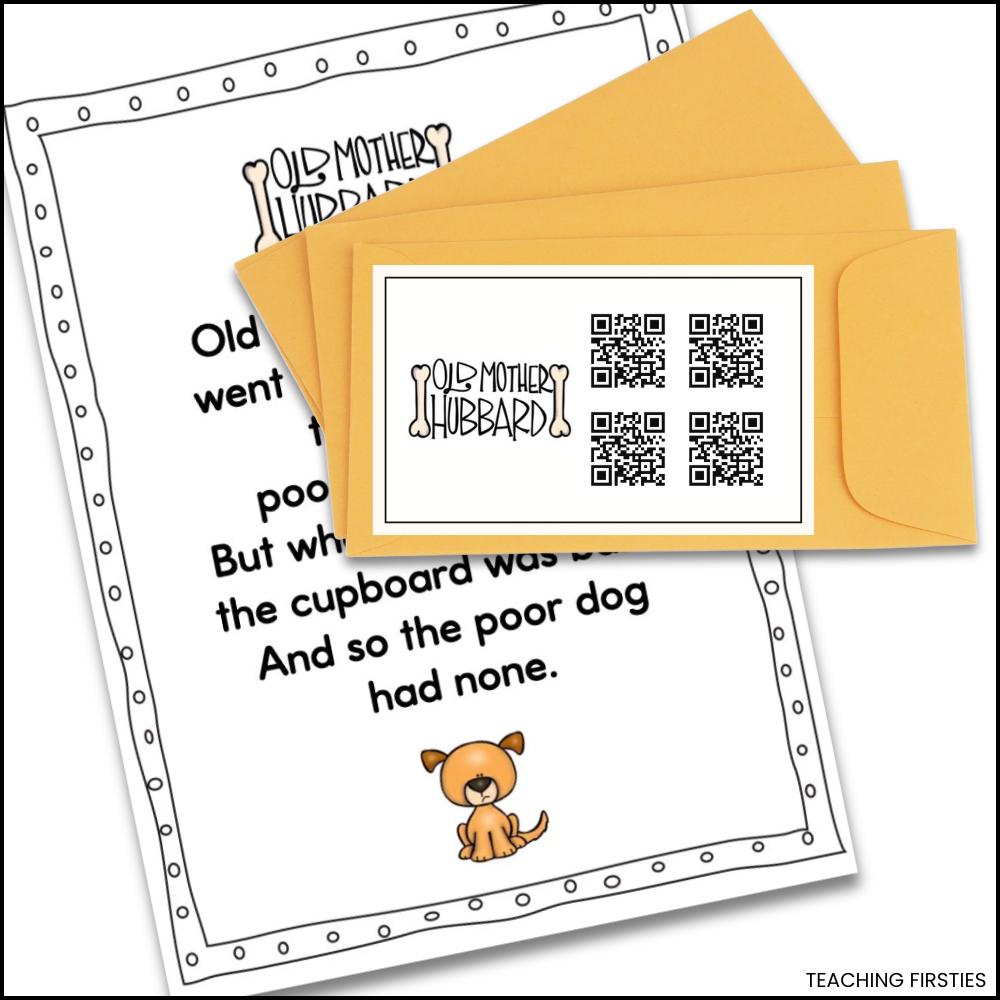
Solution When your students aren’t ready to read your poems independently, there are a few scaffolds you can put in place.
- Add audio support or QR codes to a poetry video to let students listen first.
- Pair students for choral or echo reading to help struggling readers practice reading fluently.
- Provide visual cues and familiar routines (same structure of activities each week) so students know exactly what to do without constant direction.
Each poem in our Poetry Centers includes differentiated activities so every student can participate by listening, reading along, or practicing fluency at their own level.
Free for first grade teachers
One new literacy center idea each week
Practical, ready-to-use ideas for first grade literacy centers. One email a week at most.
Problem 3: Aligning Your 1st Grade Poetry Center to Standards

Poetry centers feel like “extra” instead of part of core reading instruction.
Solution Choose poetry activities that align to reading standards (fluency, phonics, phonological awareness). Include specific skill goals in your center expectations. For example:
- Practice reading with expression
- Circle rhyming words
- Retell the poem in order
This keeps your poetry center standards-based and connected to your literacy block.
Problem 4: Differentiation is Difficult

Solution Using different tasks for the same poem helps reach students at any reading level. Including these poetry activities helps your class meet the goal of your centers.
- Emerging Readers – use digital activities and highlight sight words or phonics patterns
- On-Level Readers – Minibooks for rereading, cut and paste activities
- Fluent Readers – Full text version of the poem with sequencing and retelling exercises.
Each poem in our Poetry Centers includes all three levels of support, phonics activities for emerging readers, mini books and cut-and-paste tasks for on-level readers, and full-text sequencing and retelling pages for fluent readers. Differentiation is built into each poetry center which helps solve potential poetry center problems.
Problem 5: Students Read Without Comprehending The Poem
Solution Use fluency practice along with visualization and retelling. Ask students to draw what they picture and put the poem lines in order to show understanding. These comprehension activities check that fluency is leading to meaning, not just speed.
Problem 6: Students Struggle with Fluency and Expression

Solution Model reading the poem aloud or play a musical version before independent practice. Encourage students to tap, clap, or pat the rhythm as they read. This connects fluency to the words they’re reading.
Each1st grade Poetry Center includes a video set to music by a professional children’s musician, giving students a clear model for rhythm, pacing, and expression. Hearing a poem read or sung aloud helps students practice fluent reading.
Problem 7: Centers Take Too Long To Prep
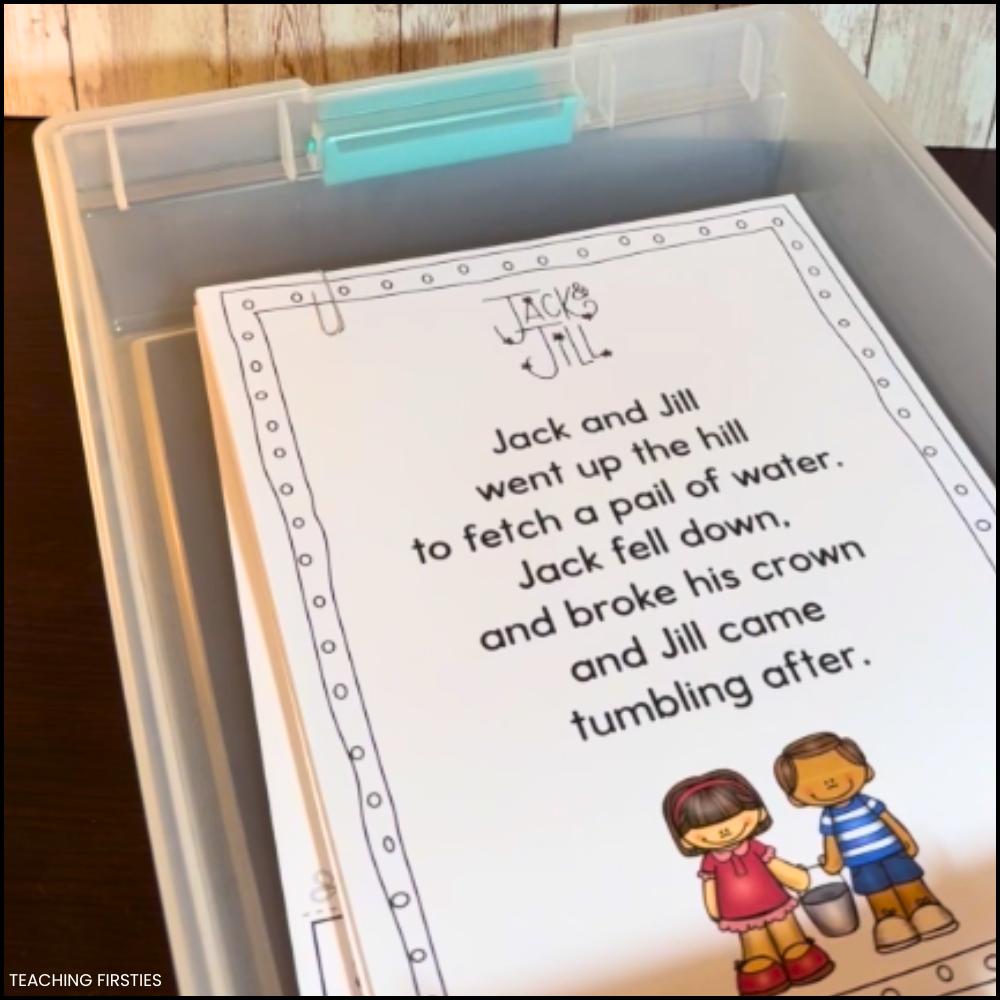
Solution Using poetry activities with the same directions for each new poem will help solve a few poetry center problems. Start simple. When students know to highlight sight words or visualize what they read in the poem, prep time will just be adding a new poem to a poetry binder each week and making sure your students have the supplies they need.
Keeping all poetry activities organized in sleeves or digital slides so you can switch content quickly gets rid of the time it takes to find new poems. Once your students learn your expectations, only the poem changes, instead of creating all new center activities each week.
When poetry activities are carefully thought out, your students can practice consistent fluency, comprehension, and decoding skills without overwhelming your prep time. By keeping materials organized, using familiar poems, and modeling routines clearly, you can prevent most poetry center problems before they start.
Each of our 25 Poetry Centers include differentiated tasks, sequencing activities, and musical videos to support fluency and expression. View all Poetry Centers to see ready-to-use options that make setup and differentiation easier.