
Save BIG on Bundles

Building Reading Fluency with 1st Grade Poetry Centers and Nursery Rhyme Songs

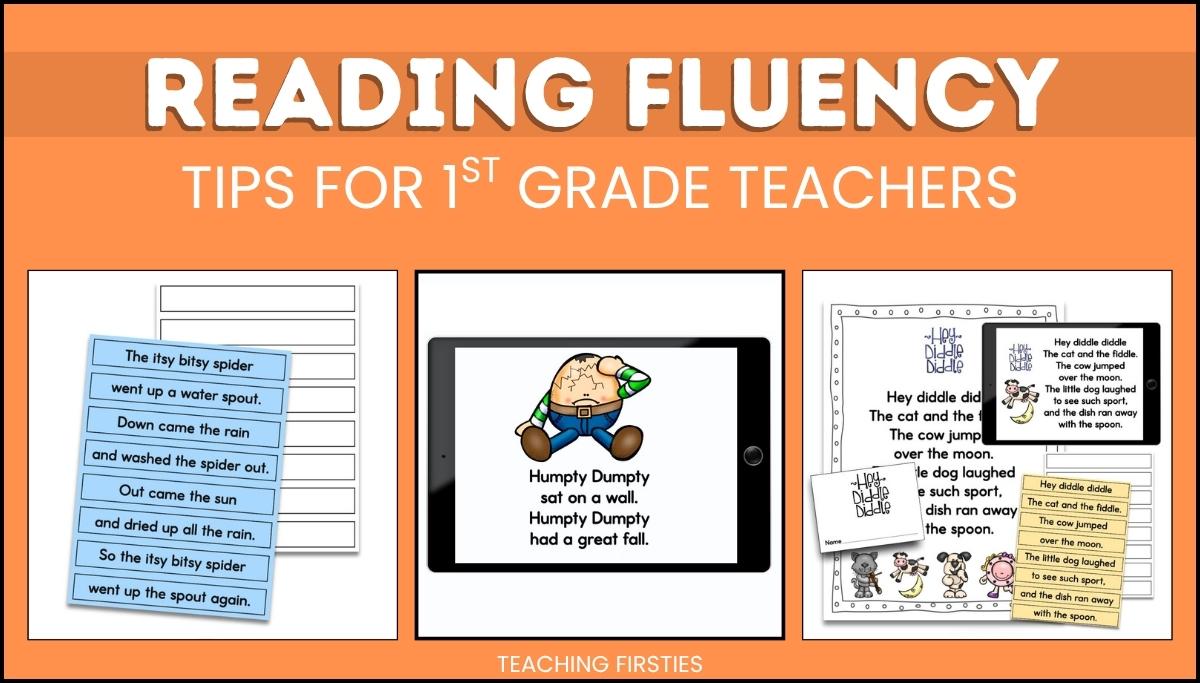
Building reading fluency in first grade takes time, repetition, and practice. Poetry centers that include nursery rhyme songs give young readers an engaging way to develop smooth, expressive reading.

When children listen to and sing familiar rhymes, they hear the rhythm, pacing, and expression that fluent reading requires. This post has some quick ways to build reading fluency in your first grade classroom by introducing poetry centers with nursery rhyme songs to your students.

Model Building Reading Fluency

building reading fluency

The rhythm, pacing, and intonation in nursery rhyme songs show your students how fluent reading should sound. When children hear a rhyme performed they’re exposed to natural phrasing and expressive voice and they’re more likely to imitate it.

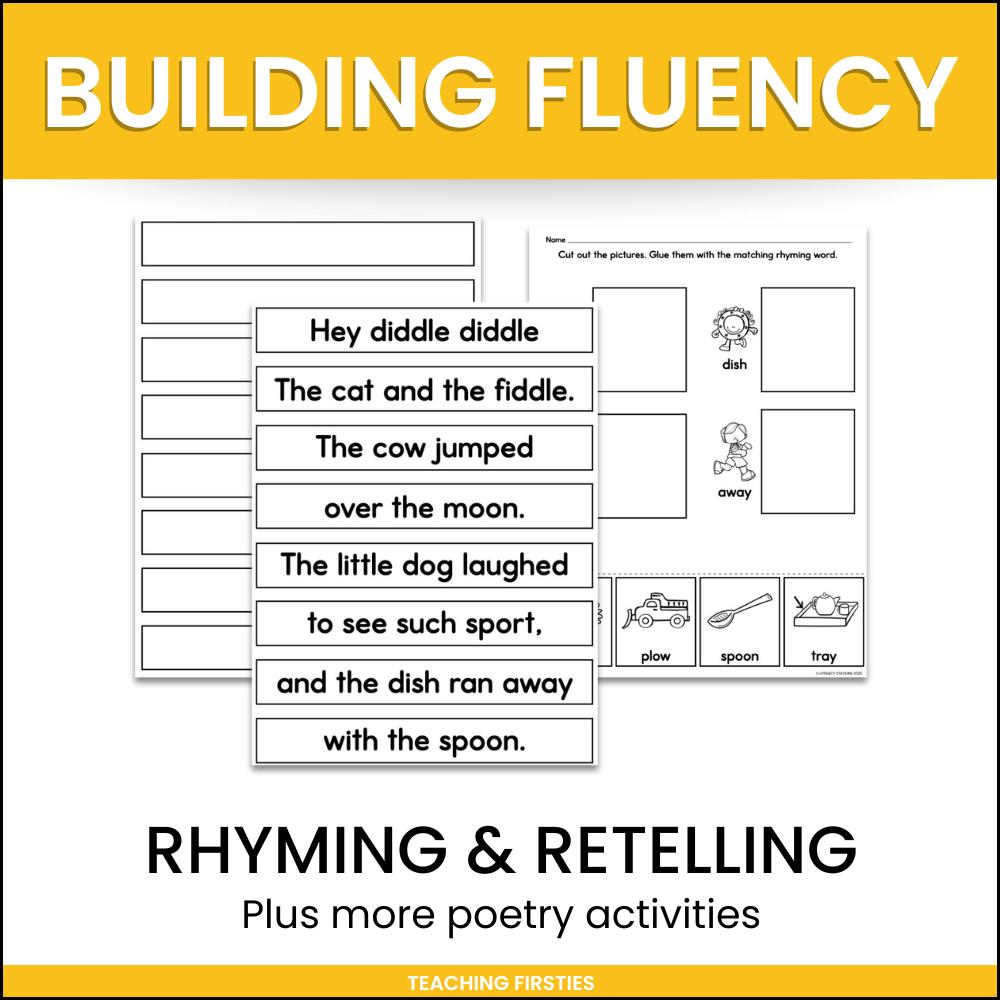
These 1st grade poetry centers model fluency and give your students a clear example to practice with during independent or partner reading. For beginning readers who may still read word-by-word, hearing a complete, fluent version of the poem helps them understand how the text should flow before they try it on their own.

Nursery Rhyme Songs Have Repetition

building reading fluency

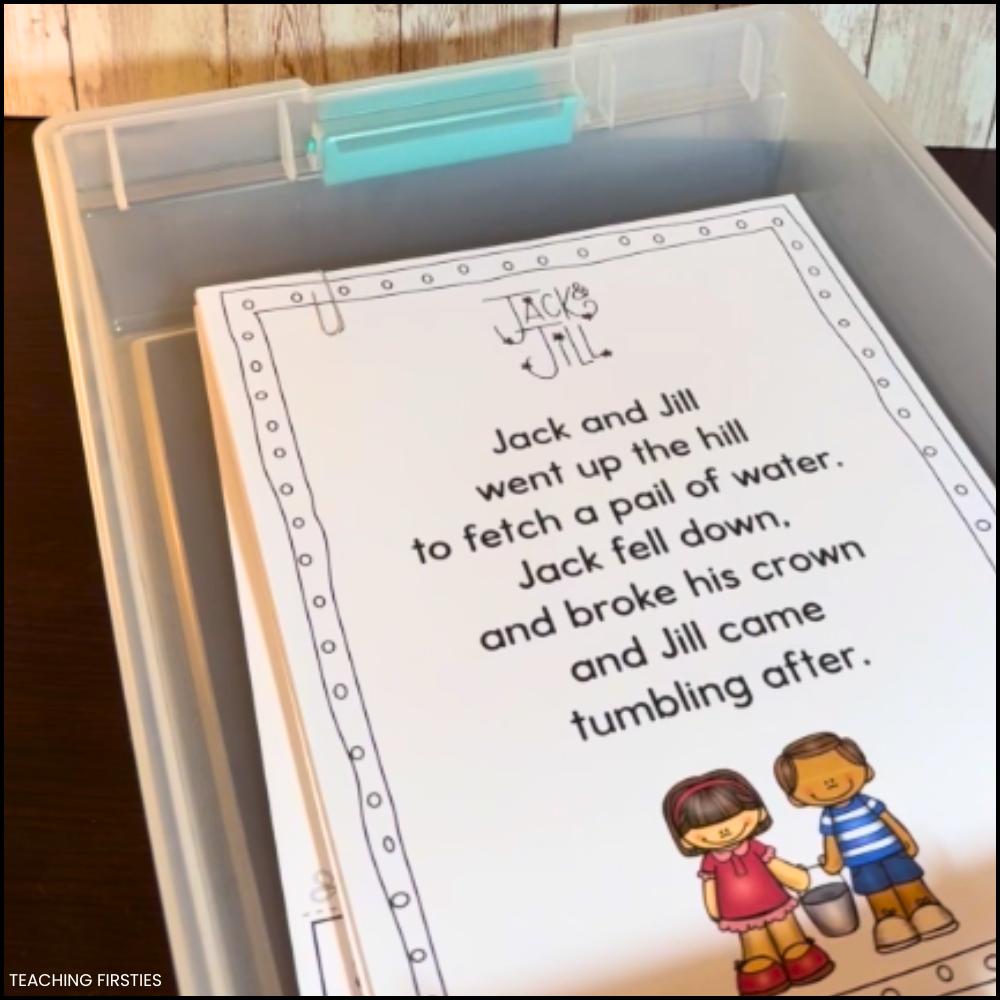
Listening and singing along gives children repeated practice with the same words and phrases. Because your students hear the poem multiple times in a predictable pattern, they become more confident with the vocabulary and structure.

Your students will begin to recognize familiar lines, anticipate the next phrase, and read with fewer hesitations. Repetition also helps your hesitant readers participate more fully, since the rhyme and rhythm provide a built-in scaffold for remembering and rereading the text.

Building Reading Fluency with Phrases and Sentences

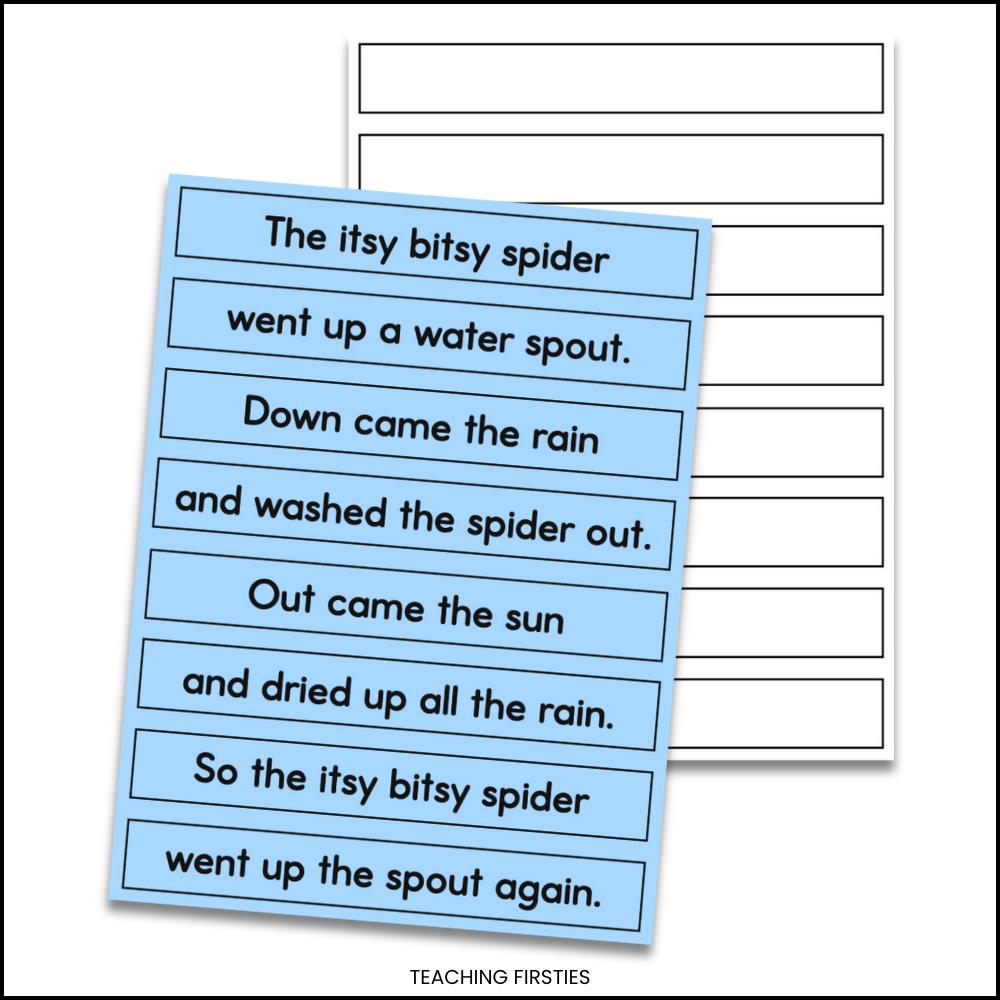
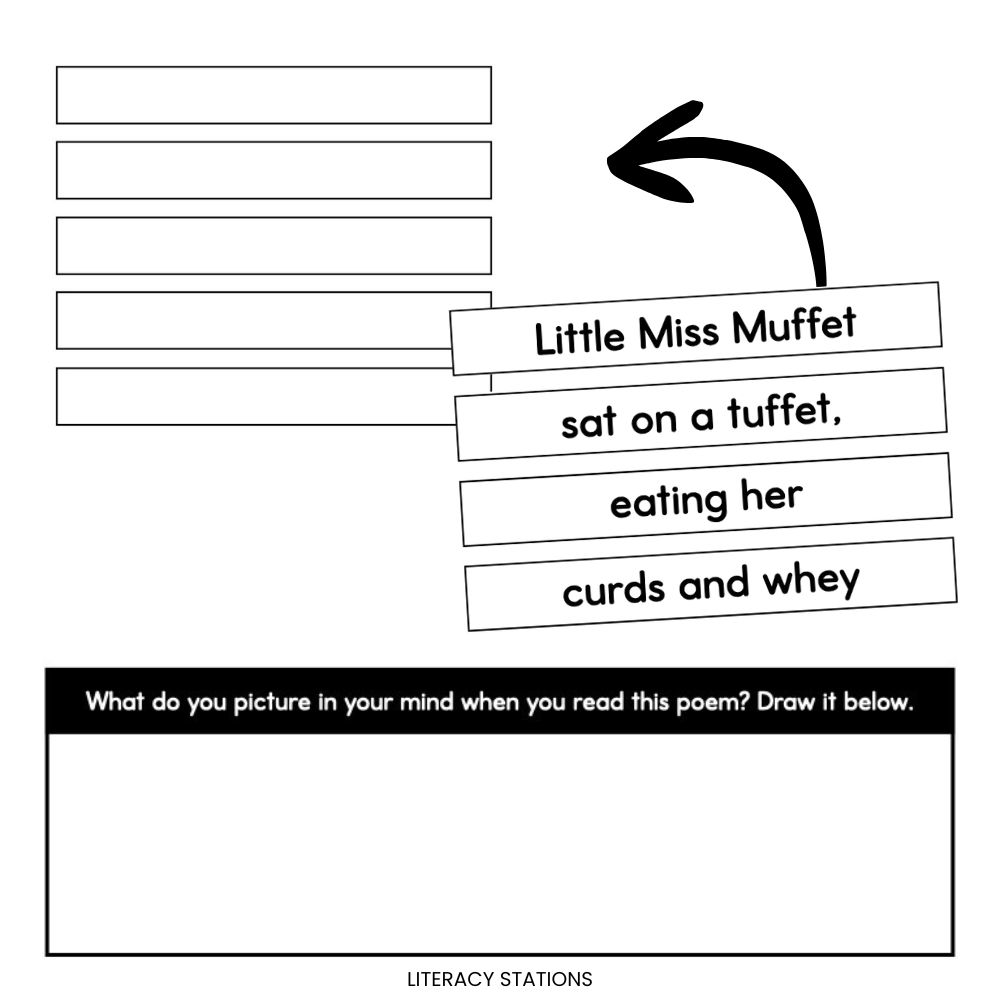
Nursery rhyme songs naturally chunk words into phrases, helping your students practice reading longer text instead of focusing on individual words.

This supports smoother reading, stronger comprehension, and a more expressive flow. By practicing with predictable poems at 1st grade poetry centers, your students learn how sentences work together and how phrasing helps a poem make sense.

building reading fluency

Reading Expression

building reading fluency

The nursery rhyme songs included in these 1st grade poetry centers are set to music, encouraging natural fluency and expression. When students hear poems sung with changes in volume, pitch, and emphasis, they learn how a reader’s voice can match the meaning of the text.

Building reading fluency like this example helps your first graders move beyond robotic reading to adding emotion and appropriate phrasing to familiar lines. Over time, children start to transfer that expressive reading to other poems and text.

Engagement at 1st Grade Poetry Centers

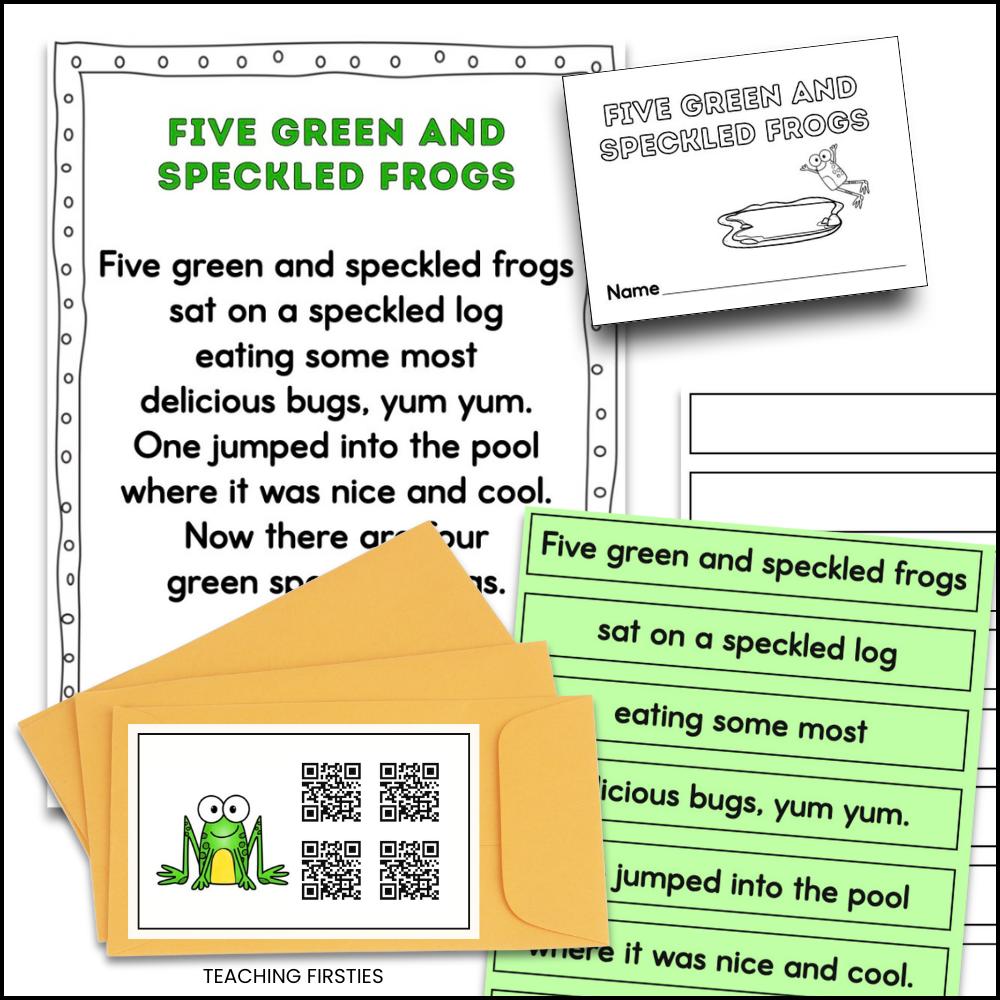
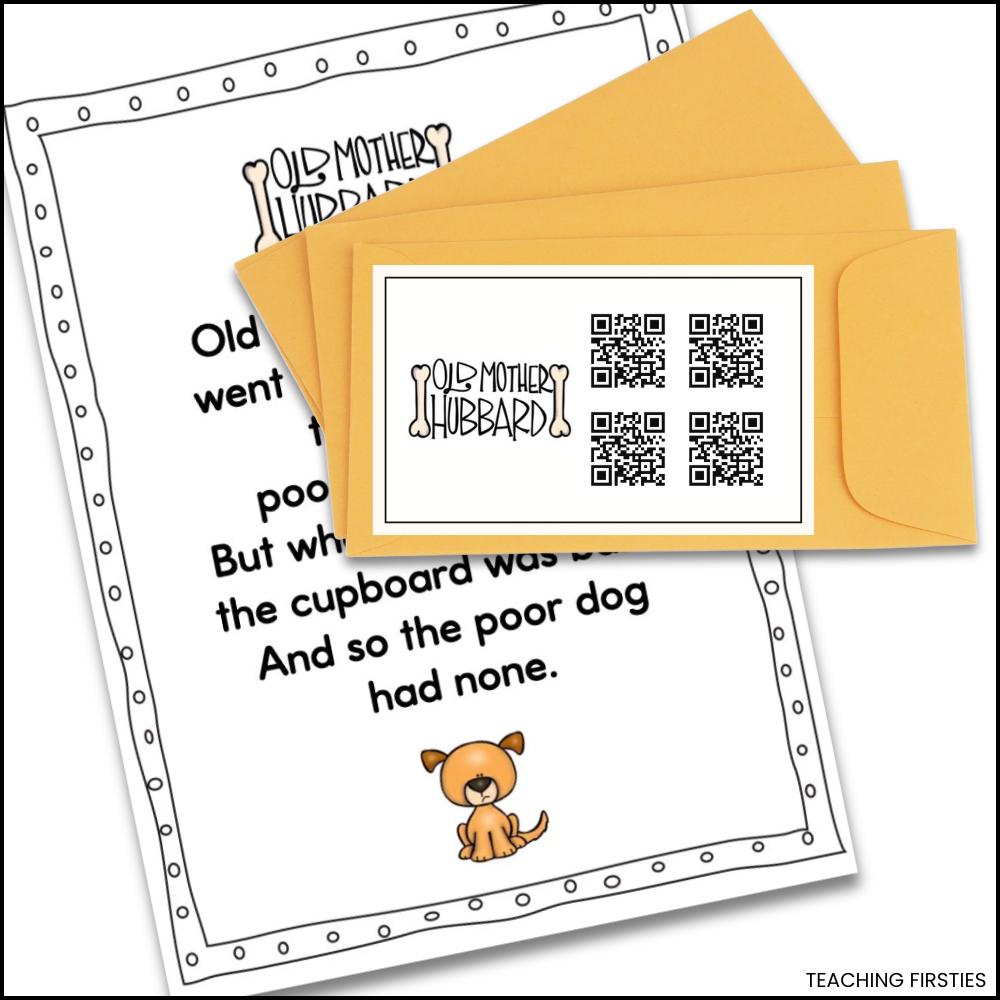
Using poems with a song or video encourages engagement, making fluency practice fun for students. When the poem is set to music, your first graders will be more willing to reread it because it feels playful instead of repetitive. The rhythm and melody help hold their attention, and the video gives a clear visual for students who need extra support. This level of engagement will keep your students motivated through multiple readings.

building reading fluency

Building reading fluency takes consistent modeling and rereading. Nursery rhyme songs give your students a clear, engaging way to practice both. When you teach familiar poems with music, students hear fluent reading, follow natural phrasing, and stay motivated through repeated readings.

LiteracyStations.com has ready-made 1st grade poetry centers that include videos for each poem, all set to music by a professional children’s musician. You can browse the collection to see all 25 poems and the supporting activities that make fluency practice easy.

Leave a Reply

Share the Post:

Related Posts

readers theater differentiated instruction

Readers Theater Differentiated Instruction: Assigning Roles by Reading Ability

Want to make Reader’s Theater more effective for every student? This post explores how to assign roles based on reading ability using readers theater differentiated instruction. Learn how to match roles to fluency levels, support emerging readers, and adapt your approach to meet the needs of all learners—so every student builds confidence and grows as a reader.

Read More
apple writing ideas for first grade

Easy Apple Writing Ideas For First Grade (Includes Free Apple Themed Writing Paper)

Looking to add writing into your Apple Day celebration or fall literacy plans? These ten apple-themed writing activities are designed for first grade and support a variety of skills—from sequencing and opinion writing to labeling and storytelling. Each idea is easy to implement and pairs perfectly with our Free Apple Writing Paper, making it simple to bring seasonal learning into your writing block.

Read More